
HERSTORY · ISSUE 5 / 20261 / 64
Woman2Woman presents
A digital feature magazine
HIDDEN IN PLAIN SIGHT
HERSTORY
Kaleema Overton Ameen
From betrayal to a blueprint for healing.
Empowered Women. Empower the World.
Autumn / Winter 2026
Hidden in plain sight.
A feature story about recognizing the hidden patterns of narcissistic abuse and rebuilding self-trust.
Meet Kaleema Overton Ameen, the author and advocate who turned betrayal into a blueprint for healing.
Listen at your pace
Ready when you are.
Uses the most natural female voice available on your device.
Read-aloud is not available in this browser, but the page is still here for you to read.
Woman2Woman presents
A digital feature magazine
HIDDEN IN PLAIN SIGHT
Kaleema Overton Ameen
From betrayal to a blueprint for healing.
Empowered Women. Empower the World.
Autumn / Winter 2026
A story of recognizing abuse, reclaiming boundaries, and turning betrayal into a path toward healing.
Issue 5 begins with one woman’s journey from betrayal to purpose.
Welcome to HERSTORY Issue 5, a feature on the courage it takes to recognize harm, rebuild trust in yourself, and choose a future grounded in purpose.
In this issue, we meet Kaleema Overton Ameen, whose personal experience led her to research the patterns of narcissistic abuse and write Hidden in Plain Sight.
May her story remind you that boundaries matter, healing is possible, and what happened to you does not define what comes next.
Empowered Women. Empower the World.
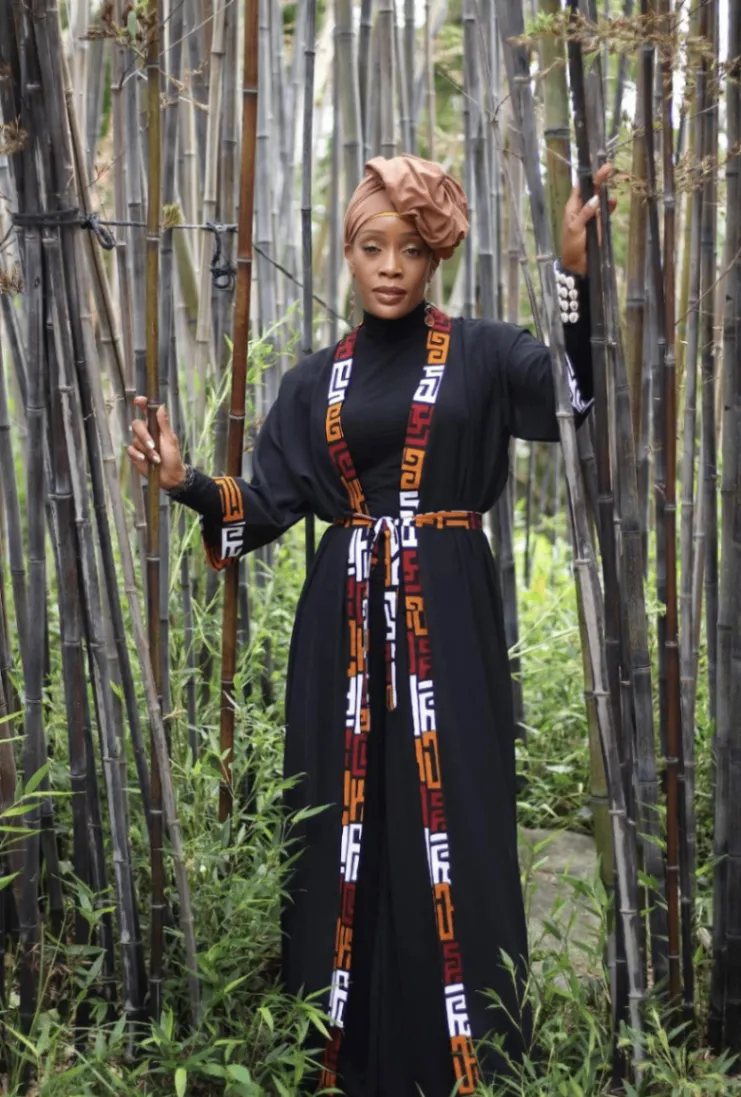
Kaleema Overton Ameen is an author, speaker, advocate, and healthcare policy analyst whose book, Hidden in Plain Sight, explores the dynamics of grooming, narcissistic abuse, recovery, and personal empowerment. She regularly speaks at conferences, community events, and educational forums, helping individuals recognize unhealthy patterns and reclaim their sense of self.
By Cherriell Orius | Feature Woman
There are moments in life that divide our stories into before and after.
For author, advocate, and public policy analyst Kaleema Overton Ameen, that moment arrived during what was supposed to be a family vacation and wedding anniversary celebration. Instead, it became the beginning of a painful journey that would eventually inspire her groundbreaking book, Hidden in Plain Sight: Are You Being Groomed for Love Bombing, Spirit Breaking, and Abandonment?
What began as a deeply personal experience soon evolved into something much larger: a mission to expose the hidden tactics of narcissistic abuse and help others recognize the warning signs before finding themselves trapped in similar situations.
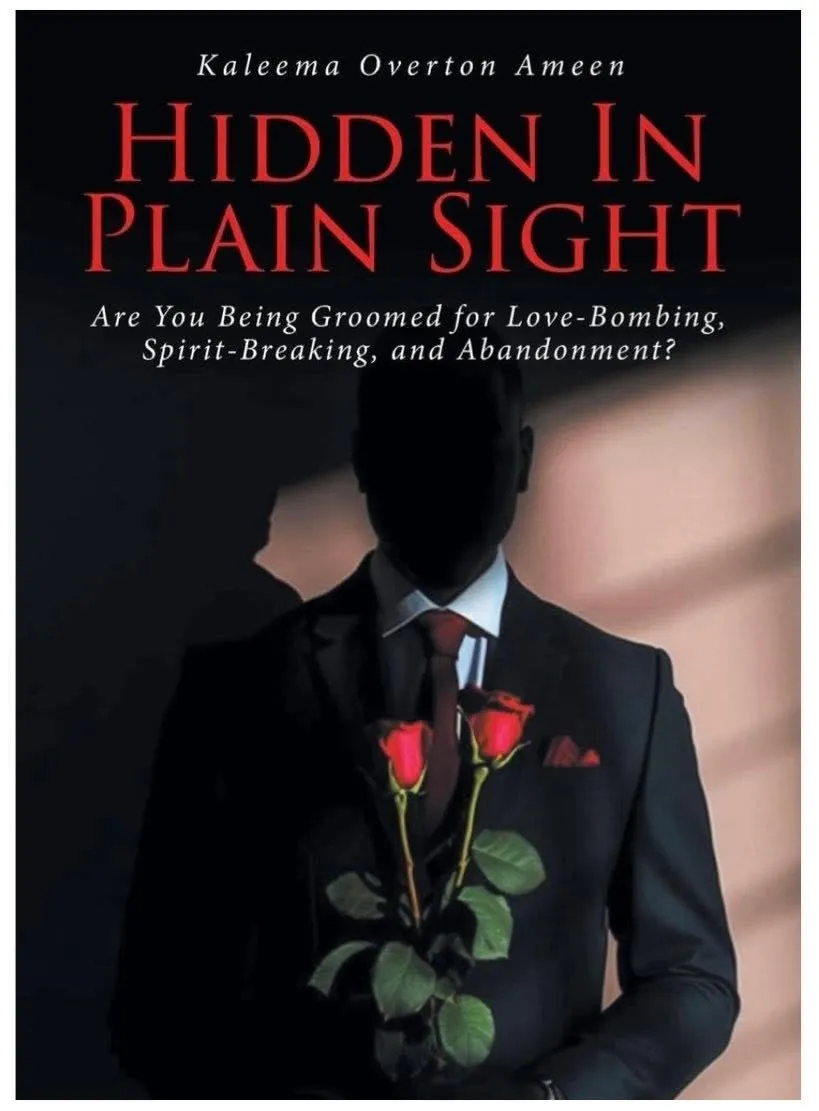
Like many writers, Ameen never expected this would be the book she would write.
An English literature graduate and longtime public policy professional, she spent more than three decades writing federal policies and procedures, not memoirs. Her childhood dreams leaned more toward poetry and creative storytelling than relationship recovery and trauma awareness. Yet life had other plans.
After experiencing a devastating abandonment by her husband, Ameen found herself asking the types of questions that policy analysts are trained to ask:
Who does this happen to?
Why does it happen?
How can it be prevented?
Those questions led her into extensive research and conversations with women whose stories sounded startlingly familiar to her own. What she discovered was not a series of isolated incidents, but what she describes as a recognizable pattern.
The defining moment came when she spoke with a previous spouse of the same man. As the woman shared her experiences, Ameen was stunned.
“The grooming process was nearly identical.”
One of the most compelling aspects of Ameen's work is her effort to separate true narcissistic patterns from ordinary human flaws.
In today's culture, the word “narcissist” is often used casually, attached to anyone who behaves selfishly or inconsiderately. Ameen cautions against that oversimplification. Not all bad behavior is narcissism, she says, and understanding the difference is crucial.
According to Ameen, individuals with unhealthy behavior patterns may still respond positively to accountability, counseling, or personal growth opportunities. Narcissistic individuals, however, often resist meaningful change and may manipulate those attempting to help them.
Her research led her to identify several patterns, including what she refers to as covert narcissists and malignant narcissists. While overt abusers may be easier to identify, covert narcissists often appear trustworthy, respected, successful, and deeply involved in their communities.
“They don't look dangerous. That's what makes them dangerous.”

Perhaps the most powerful portion of Ameen's message involves the concept of grooming.
Many people associate grooming with criminal behavior or exploitation involving minors. Ameen argues that grooming also occurs in adult relationships and frequently disguises itself as romance, support, or deep emotional connection.
According to her observations, grooming often begins with what she calls “perfect alignment.”
The individual appears to share your dreams.
Your values.
Your goals.
Your interests.
Your vision for the future.
Everything feels remarkably compatible. Almost too compatible.
In hindsight, Ameen believes this apparent perfection should sometimes raise questions rather than lower defenses.
“The perfect first meeting can be a red flag in itself,” she notes.
The problem, she explains, is that healthy relationships allow room for differences, growth, and individuality. Grooming, on the other hand, often creates an illusion of perfect compatibility designed to establish trust quickly.
Once that trust is secured, the dynamic shifts.
The admiration becomes criticism.
The support becomes control.
The connection becomes dependency.
And eventually, the person who once felt like a dream partner becomes increasingly difficult to recognize.
The admiration becomes criticism. The support becomes control.
While researching for her book, Ameen uncovered something unexpected.
The investigation wasn't just helping her understand narcissists.
It was helping her understand herself.
Through therapy and self-examination, she identified what she describes as an anxious attachment style. She recognized a lifelong pattern of prioritizing everyone else's needs before her own.
At one point, she served on eight committees simultaneously while managing a demanding career, raising a child, and caring for family members. Looking back, she realizes that constantly overextending herself created vulnerabilities.
“I normalized making myself too available.”
Her breakthrough came when she learned to embrace a simple but transformative concept: boundaries.
One day, when asked to volunteer for yet another committee, she responded differently.
“I'd like to help, but I'm focusing on my self-care right now.”
To her surprise, the response was met with understanding rather than resistance.
The experience taught her an important lesson.
Healthy people respect boundaries.
Manipulative people challenge them.
While many books focus solely on recognizing abuse, Kaleema Overton Ameen wanted her work to go further.
The heart of Hidden in Plain Sight is recovery.
For Ameen, healing involves developing measurable goals, rebuilding self-trust, reconnecting with personal passions, and focusing on what she calls one's “superpower”—the activities that provide purpose, confidence, and joy.
For her, those activities included walking, research, writing, and learning. Others may find healing through gardening, baking, fitness, entrepreneurship, creativity, or community service. The specific activity matters less than the sense of purpose it creates.
She maintains that healing requires learning to live in the present rather than becoming trapped by regret or anxiety.
“Don't dwell on the past. Don't become consumed by the future. Focus on what you can do right now.”
Since its publication in 2023, Hidden in Plain Sight has received positive feedback from both women and men. Particularly meaningful to Ameen has been hearing from male readers who viewed the book not as an attack on men, but as a tool for self-reflection and for protecting loved ones from manipulation and abuse.
That response aligns perfectly with her larger mission.

This is not a book about blame.
It is a book about awareness.
It is not about becoming fearful of relationships.
It is about becoming wiser within them.
When asked what she ultimately hopes readers take away from her work, Ameen's answer is simple yet powerful:
“I don't want people to feel like victims. I want them to understand they were victimized, but they are not victims. They have the power to change the trajectory of their lives.”
That message may be the true heart of Hidden in Plain Sight.
Not the story of abuse.
Not the story of betrayal.

But the story of reclaiming power, rebuilding trust in oneself, and discovering that even life's deepest wounds can become pathways to purpose.
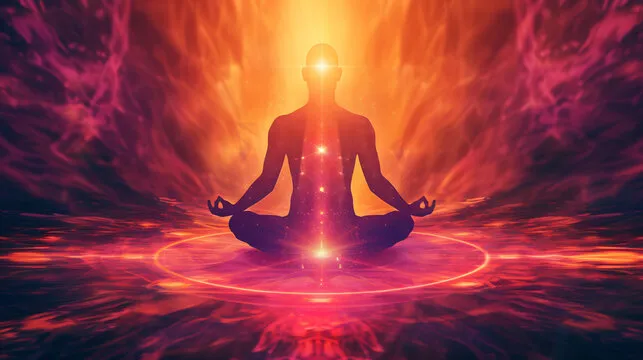
This article will explore how meditation, mindfulness, and intentionality work together to improve our mental, emotional, physical, and spiritual well-being. It is written in a magazine-style format that is engaging, practical, and inspiring for readers seeking greater balance in their daily lives.
In today's fast-paced world, many people spend their days rushing from one responsibility to the next. Our minds are often consumed with yesterday's regrets, today's pressures, or tomorrow's worries. As stress levels rise and distractions multiply, more individuals are turning to meditation, mindfulness, and intentional living as powerful tools to reclaim peace, clarity, and purpose.
While these practices have roots in ancient traditions, modern research and lived experience continue to reveal their profound impact on overall well-being. Together, they offer a pathway toward a healthier mind, stronger body, and more fulfilled life.
Meditation is the practice of training the mind to focus and redirect thoughts. It often involves sitting quietly, concentrating on the breath, repeating a calming phrase, or simply observing thoughts without judgment.
Meditation is not about stopping thoughts altogether. Instead, it teaches us to cultivate awareness and develop a healthier relationship with our thoughts and emotions.
Even a few minutes of daily meditation can help create a sense of calm amid life's inevitable challenges.
Regular meditation has been associated with:
Many people describe meditation as a mental reset button that allows them to return to their day feeling refreshed and centered.
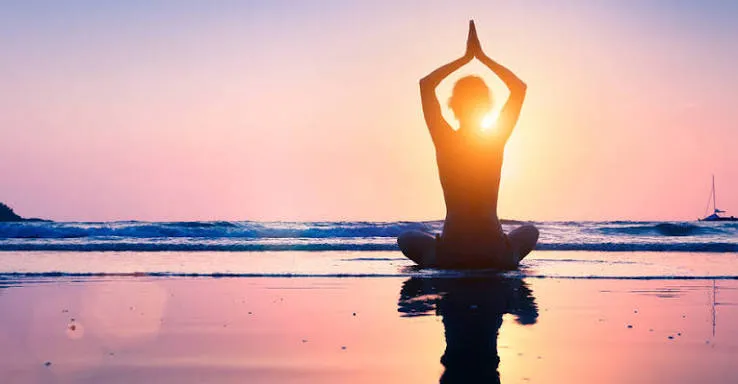
Mindfulness is the practice of paying attention to the present moment intentionally and without judgment. It means fully experiencing what is happening right now instead of dwelling on the past or worrying about the future.
Mindfulness can be practiced anywhere:
When we practice mindfulness, we become more aware of our thoughts, emotions, and surroundings. This awareness helps us respond thoughtfully rather than react impulsively.
Mindfulness has been shown to help individuals:
By slowing down and becoming present, people often discover a greater appreciation for everyday moments that may otherwise go unnoticed.
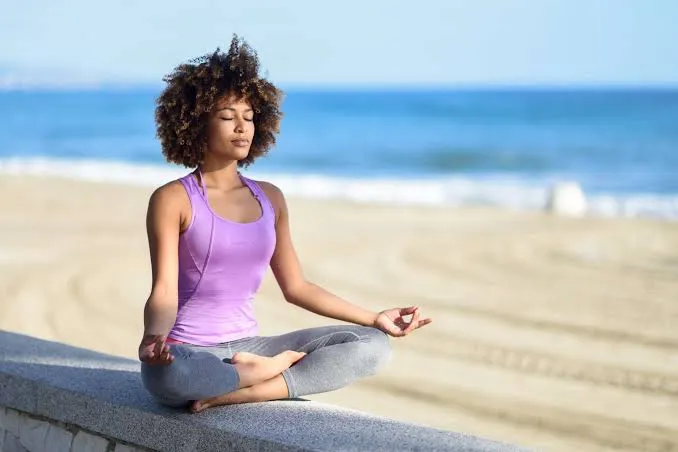
Intentionality is the practice of living with purpose. It means making conscious choices that align with our values, goals, and desired way of life.
Without intentionality, it is easy to operate on autopilot. Days become routines, and decisions are driven by habit rather than purpose. Intentional living encourages us to ask:
Intentionality transforms daily activities into meaningful experiences by helping us engage with life more consciously.
When we live intentionally, we are more likely to:
Intentionality allows us to become active participants in our lives rather than passive observers.
Meditation, mindfulness, and intentionality are powerful on their own, but their true strength emerges when practiced together.
Meditation develops awareness.
Mindfulness applies that awareness throughout the day.
Intentionality uses that awareness to make purposeful choices.
Imagine starting your morning with ten minutes of meditation. Throughout the day, mindfulness helps you remain present during conversations, work tasks, and personal interactions. Intentionality then guides your decisions, ensuring your actions reflect your values and goals.
Together, these practices create a cycle of self-awareness, presence, and purpose.
The benefits extend beyond mental and emotional wellness.
When individuals regularly engage in meditation and mindfulness practices, they often experience:
Because chronic stress affects nearly every system in the body, reducing stress can have a significant positive impact on overall physical health.
Life will always include challenges, disappointments, and uncertainty. Meditation and mindfulness do not eliminate these experiences, but they help us navigate them more effectively.
Individuals who practice these disciplines often report:
Rather than becoming overwhelmed by emotions, people learn to acknowledge and process them in healthier ways.
For many, these practices offer more than stress relief. They provide an opportunity for deeper connection with oneself, others, and a sense of purpose.
Moments of quiet reflection can foster gratitude, creativity, wisdom, and a renewed appreciation for life. Whether viewed through a spiritual, personal, or wellness lens, meditation and mindfulness create space for inner growth and self-discovery.
Starting does not require special equipment or extensive training.
Try these simple steps:
Small, consistent practices often produce the most meaningful and lasting results.
In a world that constantly demands our attention, meditation, mindfulness, and intentionality offer a powerful invitation to slow down and reconnect with what truly matters. They remind us that well-being is not found in doing more, but in being more present, more purposeful, and more aware.
By creating moments of stillness, embracing the present, and making intentional choices, we cultivate a life that is not only healthier, but richer, more meaningful, and deeply fulfilling. The journey toward greater well-being begins with a single breath, a single moment of awareness, and a single intentional step forward.
This article explores the balance between inner and outer beauty and why true beauty flourishes when both are nurtured.
Beauty comes in many forms, but it is often grouped into two categories: external beauty and inner beauty. While external beauty is what people first notice, inner beauty is what leaves a lasting impression. Both have value, but understanding the difference can help us build confidence, healthy relationships, and a more fulfilling life.
External beauty refers to our physical appearance, including our features, style, grooming, fitness, and the way we present ourselves to the world. Taking care of our appearance can boost confidence and reflect self-respect.
Simple habits such as maintaining healthy skin, exercising regularly, dressing well, and practicing good hygiene can enhance external beauty. Looking our best often helps us feel our best.
However, external beauty is temporary. Fashion trends change, appearances evolve, and aging is a natural part of life. While physical beauty may attract attention, it alone cannot sustain meaningful connections.
Inner beauty is the collection of qualities that define a person's character. Traits such as kindness, compassion, integrity, confidence, humility, and resilience make someone truly beautiful from within.
Unlike physical appearance, inner beauty grows stronger with time and experience. A person who uplifts others, shows empathy, and treats people with respect often shines brighter than any outward appearance ever could.
Inner beauty influences how we communicate, love, lead, and navigate life's challenges. It is often what people remember long after first impressions fade.
The healthiest approach is not choosing one form of beauty over the other but embracing both. External beauty reflects how we care for ourselves physically, while inner beauty reflects how we care for ourselves and others emotionally and spiritually.
When inner and outer beauty work together, confidence becomes authentic. A person who feels good on the inside naturally projects positivity, warmth, and self-assurance on the outside.
True beauty is more than flawless skin, fashionable clothing, or perfect features. It is the combination of a healthy body, a positive mindset, a compassionate heart, and a purposeful life.
External beauty may open a door, but inner beauty is what leaves a lasting legacy. In a world that often focuses on appearances, the most beautiful people are those whose kindness, strength, and character shine from within.
External beauty may open a door. Inner beauty leaves a lasting legacy.
Invest just as much time in developing your character as you do in your appearance. A kind heart, confident spirit, and genuine smile never go out of style.

Financial literacy is more than understanding money. It is the ability to make informed decisions about earning, spending, saving, borrowing, and investing. Whether you earn a high income or are working with limited resources, financial literacy empowers you to take control of your finances and build a more secure future.
Many people struggle financially not because they do not earn enough, but because they lack a plan for managing the money they have. Learning a few key principles can help reduce financial stress, eliminate debt, and create long-term stability.
A budget is simply a plan that tells your money where to go before you spend it. Budgeting helps you prioritize necessities, save for the future, and avoid unnecessary debt.
Monthly Take-Home Income: $1,800
| Category | Amount |
|---|---|
| Housing/Rent | $600 |
| Utilities | $150 |
| Groceries | $250 |
| Transportation | $150 |
| Phone/Internet | $80 |
| Debt Payments | $200 |
| Savings | $100 |
| Personal Expenses | $120 |
| Miscellaneous | $150 |
| Total | $1,800 |
Even saving $25 to $100 each month can create a financial cushion over time.
Irregular income is income that varies from month to month. It is common among entrepreneurs, freelancers, commission-based workers, gig workers, beauty professionals, and seasonal employees.
One month you may earn $1,500, while the next month you may earn $2,500.
The key is to prepare during good months for the months that may be more challenging.
A buffer fund is money set aside specifically to help cover regular bills when income fluctuates.
Think of it as an income stabilizer.
Use a Buffer Fund For:
Goal: Save one to two months of essential living expenses.
For example, if your monthly necessities total $1,350, aim to save at least that amount in your buffer fund.
An emergency fund is money reserved for unexpected financial emergencies.
Use Emergency Savings For:
Do Not Use Emergency Savings For:
A simple question to ask is: “Is this unexpected, necessary, and urgent?” If the answer is yes, it may qualify as an emergency.
| Emergency Fund | Buffer Fund |
|---|---|
| Covers emergencies | Covers income fluctuations |
| Helps during crises | Helps during low-income periods |
| Used unexpectedly | Used strategically |
| Protects financial stability | Stabilizes monthly cash flow |
| Goal: 3–6 months expenses | Goal: 1–2 months expenses |
Ideally, a strong financial plan includes both.
| Month | Deposit | Balance |
|---|---|---|
| January | $50 | $50 |
| February | $75 | $125 |
| March | $100 | $225 |
| April | $100 | $325 |
| May | $125 | $450 |
| June | $150 | $600 |
Small deposits add up over time.
Debt can delay financial goals and increase stress. Fortunately, there are proven ways to eliminate it.
Focus on your smallest debt first while making minimum payments on all others. As each debt is paid off, roll that payment into the next balance.
Benefit: Builds momentum and motivation.
Focus on the debt with the highest interest rate first.
Benefit: Saves the most money in interest over time.
| Debt | Balance | Minimum Payment | Interest Rate | Extra Payment | Target Payoff Date |
|---|---|---|---|---|---|
| Credit Card 1 | $______ | $______ | _____% | $______ | ______ |
| Credit Card 2 | $______ | $______ | _____% | $______ | ______ |
| Personal Loan | $______ | $______ | _____% | $______ | ______ |
| Auto Loan | $______ | $______ | _____% | $______ | ______ |
| Other Debt | $______ | $______ | _____% | $______ | ______ |
| Month | Total Debt | Amount Paid | Remaining Balance |
|---|---|---|---|
| January | $______ | $______ | $______ |
| February | $______ | $______ | $______ |
| March | $______ | $______ | $______ |
| April | $______ | $______ | $______ |
| May | $______ | $______ | $______ |
| June | $______ | $______ | $______ |
Using your savings is not a failure. It means your financial safety net worked exactly as intended.
Rebuilding Steps
Example
If you use $600 from your emergency fund:
Rebuild over 6 months = $100/month
Rebuild over 12 months = $50/month
Consistency matters more than speed.
Financial literacy is not about becoming rich overnight. It is about making smart decisions with the money you have and creating habits that lead to long-term financial security. Whether you are building a budget, paying off debt, creating a buffer fund, or growing an emergency fund, every positive financial step moves you closer to financial freedom.
Remember: Wealth is not built by how much you earn, but by how much you keep, save, invest, and manage wisely. Small financial habits practiced consistently can transform your future and help you create lasting security for yourself and your family.
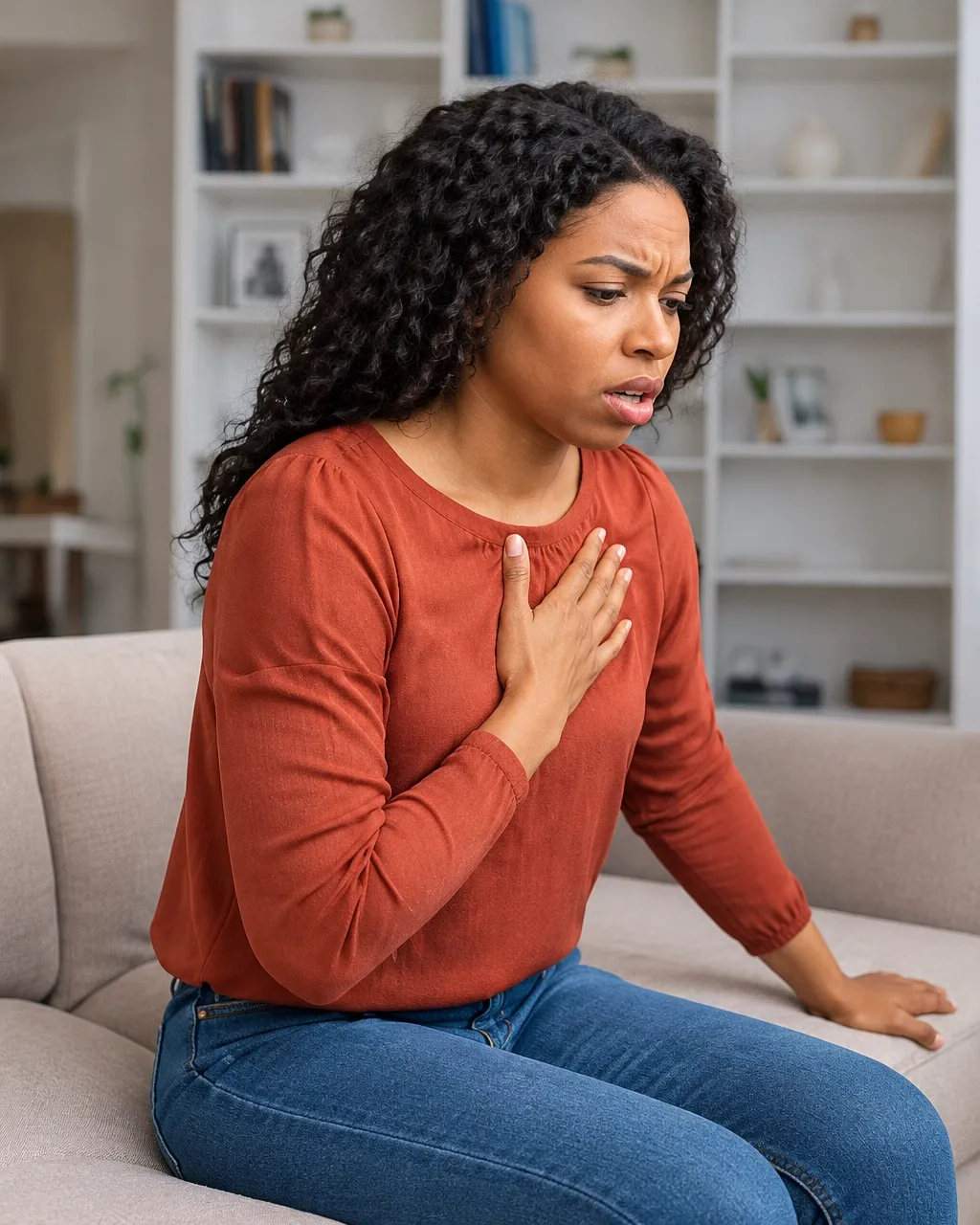
This magazine-style article combines current medical statistics with practical wellness guidance, helping women understand the connection between stress, heart disease, and stroke risk.
Women are often the caregivers, nurturers, professionals, entrepreneurs, and problem-solvers of their families and communities. While many women excel at caring for others, they frequently neglect one critical priority: their own health.
The reality is alarming. Heart disease and stroke remain among the most serious threats to women's health, and chronic stress is increasingly recognized as a major contributor to both.
Many women believe breast cancer is their greatest health concern. However, cardiovascular disease remains the leading cause of death among women in the United States. According to the CDC, heart disease accounts for approximately 1 in every 5 female deaths, and more than 60 million American women are living with some form of heart disease.
The American Heart Association reports that cardiovascular disease causes approximately 1 in 3 deaths among women, making it deadlier than all forms of cancer combined.
Stress is not just an emotional issue. It creates physical changes throughout the body.
When stress becomes chronic, the body continually releases hormones such as cortisol and adrenaline. Over time, these stress hormones can:
Many women experience significant stress from balancing careers, caregiving responsibilities, financial pressures, family obligations, and personal expectations. Left unmanaged, chronic stress can become a serious health risk.
Research highlighted by the American Heart Association notes that stress can negatively affect both physical and mental health, contributing to heart disease and stroke risk in women.
One reason heart disease is particularly dangerous for women is that symptoms are often different from the classic symptoms associated with men.
While chest pain may occur, women may also experience:
These symptoms are often mistaken for anxiety, indigestion, exhaustion, or stress, causing many women to delay seeking medical attention.
Stroke is also a major threat to women's health. According to the CDC, 1 in 5 women between the ages of 55 and 75 will experience a stroke, and approximately 4 out of 5 strokes are preventable.
The CDC further reports:
Women also face unique stroke risks related to pregnancy-related hypertension, preeclampsia, certain hormonal contraceptives, menopause, depression and anxiety, and longer life expectancy.
Every second counts during a stroke.
Remember the acronym B.E.F.A.S.T.
According to the CDC, someone in the United States experiences a stroke every 40 seconds, and someone dies from a stroke approximately every three minutes.
The encouraging news is that many risk factors are preventable.
Monitor blood pressure, cholesterol, blood sugar, weight, and family health history.
Aim for at least 150 minutes of moderate physical activity each week. Walking, dancing, swimming, and cycling can all improve heart health.
Focus on fruits and vegetables, whole grains, lean proteins, and healthy fats, with limited processed foods and excess sodium.
Annual physical exams and routine health screenings can identify risk factors before they become serious health issues.
Too often, women place their own well-being at the bottom of the priority list. However, self-care is not selfish. It is a necessity.
A healthy heart and brain allow women to continue showing up for their families, careers, businesses, and communities. Managing stress, recognizing warning signs, and taking preventive action today could save a life tomorrow.
If you are constantly tired, overwhelmed, anxious, or experiencing unusual physical symptoms, listen to your body. Stress may be speaking, but your heart could be asking for help. Your health is one of your greatest assets. Protect it with the same care and commitment you give to everyone else.
If you think you or someone else is having a heart attack or stroke, call 911 immediately.
Heart disease is the leading cause of death among women in the United States, accounting for approximately 1 in 5 female deaths. More than 60 million American women are living with some form of heart disease.
Stroke is also a leading cause of death for women, and the CDC reports that 1 in 5 women between ages 55 and 75 will experience a stroke. Many strokes are preventable through healthy lifestyle choices and early intervention.
Women often experience symptoms that differ from the “classic” chest-clutching image many people associate with heart attacks.
Common symptoms: chest pain, pressure, squeezing, or discomfort; shortness of breath; unusual or extreme fatigue; pain in the jaw, neck, throat, shoulders, or back; nausea or vomiting; dizziness or lightheadedness; indigestion or heartburn-like symptoms; and cold sweats.
Women may experience one symptom or several symptoms at the same time.
Call 911 immediately if: symptoms persist more than a few minutes; symptoms disappear and return; you experience sudden chest discomfort with shortness of breath; or you feel something is seriously wrong. Do not drive yourself to the hospital if emergency assistance is available.
Balance — sudden loss of balance or coordination. Eyes — sudden blurred, double, or lost vision. Face — one side droops or appears uneven. Arms — weakness or numbness in one arm. Speech — slurred speech or difficulty speaking. Time — call 911 immediately.
Every minute matters during a stroke. Rapid treatment can reduce brain damage and improve recovery outcomes.
High blood pressure remains one of the most significant risk factors for both heart disease and stroke among women.
Chronic stress may contribute to elevated blood pressure, poor sleep, weight gain, increased inflammation, anxiety and depression, and greater risk of heart disease and stroke.
A woman's symptoms may be subtle, but the consequences are not. Listen to your body. If something feels wrong, seek medical attention immediately. Early action can save your life or the life of someone you love.
If you think you or someone else is having a heart attack or stroke, call 911 immediately.

When it comes to improving your health, one of the simplest things you can do is add more green foods to your diet. Rich in vitamins, minerals, antioxidants, and fiber, green foods are nutritional powerhouses that help fuel the body and protect against disease.
Leafy greens such as spinach, kale, collard greens, and Swiss chard are packed with essential nutrients including vitamins A, C, K, and folate. These nutrients support immune function, promote healthy skin, strengthen bones, and aid in cell repair and growth.
Green foods are also excellent sources of antioxidants, which help combat inflammation and protect the body from damage caused by free radicals. This may contribute to a reduced risk of chronic diseases such as heart disease, diabetes, and certain cancers.
Another major benefit of green foods is their high fiber content. Fiber supports healthy digestion, promotes gut health, helps regulate blood sugar levels, and keeps you feeling fuller longer, making it easier to maintain a healthy weight.
Many green vegetables contain chlorophyll, the natural pigment that gives plants their vibrant color. Chlorophyll may help support the body's natural detoxification processes and contribute to increased energy levels and overall vitality.
Simple ways to incorporate more green foods into your diet include adding spinach to smoothies, enjoying salads with mixed greens, snacking on cucumber slices, or steaming broccoli and green beans as a side dish.
Aim to include at least one green vegetable with every meal. Small daily choices can lead to big improvements in energy, digestion, and long-term health.
A greener plate often leads to a healthier, more vibrant life.

This travel feature article is written in a magazine style that inspires readers to discover the luxury, culture, and adventure that make Dubai one of the world's most fascinating destinations.
Rising from the golden sands of the Arabian Desert, Dubai is a city that effortlessly blends innovation, culture, luxury, and adventure. Known for its breathtaking skyline, world-class shopping, and unforgettable experiences, Dubai has become one of the most sought-after travel destinations on the planet.
Whether you're seeking relaxation, cultural discovery, family-friendly attractions, or once-in-a-lifetime adventures, Dubai offers something for every traveler.

No visit to Dubai is complete without experiencing the iconic Burj Khalifa, the tallest building in the world. Standing majestically above the city skyline, the tower offers spectacular panoramic views that stretch across the desert, coastline, and modern cityscape.
Nearby, visitors can explore the dazzling Dubai Fountain, where water, light, and music come together in an unforgettable display that captivates audiences every evening.
Dubai is often called a shopper's paradise. The city is home to some of the most luxurious and expansive shopping centers in the world, including the famous Dubai Mall.
Beyond high-end fashion and designer brands, visitors can explore traditional souks filled with gold jewelry, fragrant spices, handcrafted goods, and authentic Middle Eastern treasures. These markets provide a glimpse into Dubai's rich heritage and trading history.

While Dubai is known for luxury, some of its most memorable experiences take place beyond the city limits.
Desert safaris offer thrilling dune bashing, camel rides, sandboarding, and breathtaking sunset views across endless golden dunes. Visitors can also enjoy traditional Arabian entertainment, cultural performances, and authentic cuisine beneath the stars.
The desert showcases a side of Dubai that connects travelers to the region's history and natural beauty.
Dubai's coastline offers pristine beaches and crystal-clear waters perfect for swimming, sunbathing, and water sports.
Popular destinations such as Jumeirah Beach provide stunning views of the iconic Burj Al Arab, one of the world's most recognizable luxury hotels. From jet skiing to yacht cruises, the city's waterfront offers both relaxation and excitement.

One of Dubai's greatest strengths is its diversity. People from around the world live and work in the city, creating a vibrant multicultural atmosphere.
Visitors can enjoy cuisine from virtually every corner of the globe, including traditional Emirati dishes, Middle Eastern specialties, Asian cuisine, African flavors, European delicacies, and American favorites.
The city's blend of cultures creates a unique travel experience unlike any other destination.
Dubai is packed with attractions for travelers of all ages. Families can enjoy Dubai Aquarium and Underwater Zoo, IMG Worlds of Adventure, Aquaventure Waterpark, Dubai Miracle Garden, Global Village, and Ski Dubai, an indoor ski resort located in the desert.
These attractions make Dubai an ideal destination for family vacations and multi-generational travel.

The most comfortable time to visit Dubai is during the cooler months, generally between November and April, when outdoor activities, sightseeing, and desert adventures can be enjoyed more comfortably. Visitors can expect sunny skies, beautiful weather, and numerous cultural festivals during this period.
Dubai is a destination where the impossible becomes reality. From soaring skyscrapers and luxury resorts to ancient traditions and desert landscapes, the city offers an extraordinary blend of modern innovation and cultural heritage.
Whether you're watching the sunset over the Arabian Desert, dining in a world-class restaurant, exploring bustling markets, or admiring the city's stunning architecture, Dubai delivers unforgettable memories at every turn.
Pack comfortable walking shoes, stay hydrated, and make time to experience both the modern attractions and traditional cultural sites. The true magic of Dubai lies in its ability to honor its heritage while continuously reaching toward the future.
Dubai is more than a destination. It is an experience of wonder, luxury, culture, and adventure that leaves travelers inspired long after their journey ends.

For travelers dreaming of luxury, entertainment, world-class dining, and unforgettable experiences, Dubai often tops the list. However, international airfare, lengthy travel times, and the overall cost of visiting can place Dubai out of reach for many Americans.
Fortunately, there is an exciting alternative much closer to home: Las Vegas, Nevada.
While Dubai is known for its futuristic skyline and extravagant lifestyle, Las Vegas delivers many of the same thrills at a fraction of the cost, making it an ideal destination for travelers seeking luxury, adventure, and entertainment without the expense of international travel.

Dubai is famous for luxury hotels, upscale shopping, and lavish experiences. Las Vegas offers many of the same amenities with a wider range of budget-friendly options.
Visitors can choose from luxury resorts and spas, rooftop pools, fine dining experiences, designer shopping, world-class entertainment, and exclusive nightlife.
Unlike Dubai, travelers can often find affordable hotel packages and domestic flight deals that make a luxury vacation far more accessible.
One of Las Vegas's greatest advantages is its entertainment scene. Visitors can experience concerts by world-famous artists, comedy shows, magic performances, professional sporting events, Broadway-style productions, and nightclubs and lounges.
Every day and night offers something new, making Las Vegas one of the most exciting destinations in the United States.

Like Dubai, Las Vegas is surrounded by breathtaking desert landscapes. Travelers can explore Red Rock Canyon, Valley of Fire State Park, Hoover Dam, Lake Mead, and Grand Canyon excursions.
These natural attractions provide a perfect balance to the bright lights of the Las Vegas Strip and allow visitors to enjoy spectacular scenery without traveling far.
Las Vegas has become one of America's premier culinary destinations. Visitors can enjoy international cuisine, celebrity-chef restaurants, luxury buffets, authentic cultural dining experiences, and casual and affordable eateries.
Whether you're looking for a gourmet meal or a budget-friendly bite, Las Vegas offers options for every traveler.

For many Americans, the biggest advantage of Las Vegas is affordability. Choosing Las Vegas over Dubai often means lower transportation costs, no passport requirements for domestic travelers, shorter travel times, numerous hotel options at various price points, and more opportunities for discounted packages and promotions.
Travelers can enjoy a luxury-inspired vacation while keeping more money available for experiences and attractions.
Explore the Bellagio Fountains, the High Roller Observation Wheel, Fremont Street Experience, the Sphere, Red Rock Canyon, the Venetian Resort, the Eiffel Tower Viewing Deck, the Mob Museum, and Area15 Immersive Entertainment District.
These attractions provide a mix of luxury, culture, entertainment, and adventure that rivals many international destinations.

While Dubai offers an impressive blend of luxury and innovation, Las Vegas provides many of the same experiences with greater accessibility and affordability for American travelers. From luxury resorts and entertainment to desert adventures and incredible dining, Las Vegas delivers exceptional value without the cost and logistics of international travel.
If your goal is to enjoy a destination filled with luxury, excitement, shopping, fine dining, and unforgettable attractions without stretching your budget, Las Vegas may be the smartest travel choice. It captures much of the glamour and excitement people seek in Dubai while remaining closer, more convenient, and significantly more affordable for most U.S. travelers.
Vegas proves that you don't have to travel halfway around the world to experience world-class luxury, adventure, and entertainment.
If you are experiencing symptoms such as chest pain, shortness of breath, unusual fatigue, dizziness, heart palpitations, or have risk factors such as high blood pressure, diabetes, obesity, or a family history of heart disease, a physician may recommend a cardiac stress test to evaluate how your heart functions during exercise or stress.
Address: 1101 First Colonial Road, Suite 300, Virginia Beach, VA 23454
Phone: (757) 395-1760
Prevention, diagnosis, and treatment of heart and vascular conditions through a team of board-certified cardiologists.
Services may include: Cardiology evaluations, stress testing, echocardiograms, and heart disease prevention and management.
Address: 2075 Glenn Mitchell Drive, Suite 400, Virginia Beach, VA 23456
Phone: (757) 507-8900
Located adjacent to Sentara Princess Anne Hospital, this practice offers comprehensive cardiovascular care and diagnostic testing.
Address: 1708 Old Donation Parkway, Virginia Beach, VA 23454
Phone: (757) 419-3000
Specialized cardiac care with cardiologists experienced in non-invasive cardiac testing and heart disease management.
Phone: (757) 963-7729
Serving Virginia Beach and Hampton Roads with cardiovascular evaluations, stress testing, heart disease prevention, stroke prevention, and comprehensive cardiac care.
Address: 930 W. 21st Street, 1st Floor, Norfolk, VA 23517
Phone: (757) 889-5335
Cardiovascular evaluations and diagnostic testing, including treadmill stress testing, nuclear cardiac stress testing, echocardiograms, and hypertension management.
These symptoms or risk factors may warrant a cardiovascular evaluation.
Women often experience heart disease differently than men. Symptoms can include fatigue, nausea, jaw pain, upper back pain, and shortness of breath rather than classic chest pain. If you have concerning symptoms, seek medical evaluation promptly.
Health resource information is presented for general education. Contact providers to confirm current services, availability, and details. If you think you may be having a heart attack or stroke, call 911 immediately.

This feature article explores how home décor is more than just decorating a space. It is a reflection of personality, lifestyle, values, and the comfort we create for ourselves and those we welcome into our homes.
Just as clothing allows us to express our individuality, home décor serves as a personal statement about who we are. The colors we choose, the furniture we select, and the atmosphere we create tell a story about our personality, our lifestyle, and what makes us feel most at home.
A home is more than walls and furniture. It is a reflection of identity, comfort, and personal style.

When guests enter your home, they immediately begin to form impressions based on the environment you've created. Whether your style is modern, traditional, eclectic, minimalist, or luxurious, your décor communicates aspects of your character without saying a word.
A home filled with bright colors and bold artwork often reflects creativity, confidence, and a vibrant spirit. Neutral tones and clean lines may indicate a preference for simplicity, organization, and tranquility. Vintage furnishings can showcase a love for history and nostalgia, while contemporary pieces often reflect innovation and sophistication.
Every decorating choice contributes to a unique signature that makes a house feel like home.
While aesthetics matter, comfort remains the true foundation of great home design. A beautiful room that feels uncomfortable is unlikely to become a space where people want to spend time.
Comfort can be created through soft textures and fabrics, comfortable seating, warm lighting, functional layouts, and personal mementos and meaningful décor.
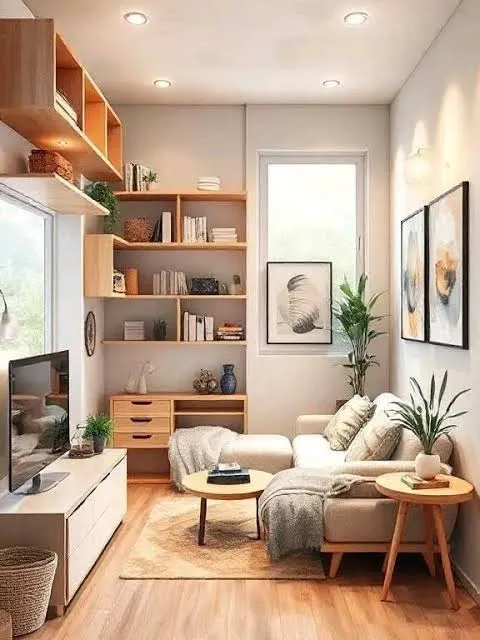
The most inviting homes strike a balance between beauty and livability. They look stylish while still allowing family and guests to relax and feel welcome.
Today's home fashion trends are increasingly focused on intentional living. Rather than filling spaces with unnecessary items, many homeowners are choosing pieces that serve both functional and decorative purposes.
This approach encourages people to ask:
Intentional decorating results in spaces that feel authentic rather than simply trendy.
Modern Minimalist: You value simplicity, organization, and peace. You appreciate clean lines, open spaces, and clutter-free living.
Traditional Classic: You value stability, family traditions, and timeless elegance. Your home often feels warm, welcoming, and refined.
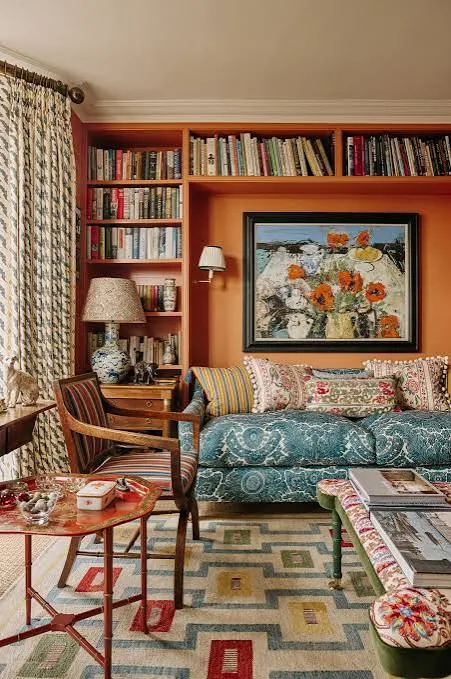
Bohemian Chic: You are creative, adventurous, and free-spirited. Your space may feature bold colors, global influences, and artistic expression.
Luxury Glam: You enjoy sophistication, confidence, and attention to detail. Rich textures, statement pieces, and elegance define your style.
Rustic Farmhouse: You appreciate comfort, authenticity, and connection. Natural materials and cozy spaces create an inviting atmosphere.
The most fashionable homes are not necessarily the most expensive. They are the ones that authentically reflect the people who live in them.
A well-loved family photo, a favorite piece of artwork, a collection gathered during travels, or a cherished heirloom often adds more character than the latest design trend.
Your home should tell your story.
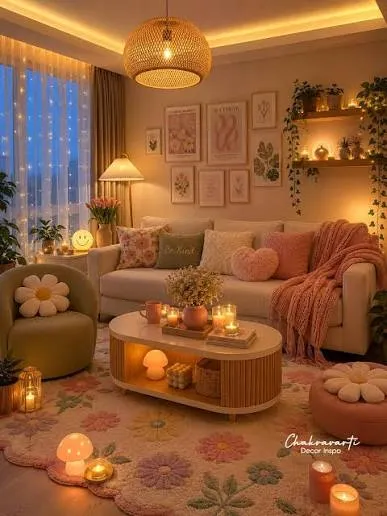
The spaces we live in can significantly affect our mood, productivity, and emotional health. A thoughtfully designed home can reduce stress, improve focus, and create a sense of peace and belonging.
When our surroundings reflect our values and personality, we often feel more grounded, inspired, and comfortable in our daily lives.
Home fashion is about far more than decorating. It is an opportunity to express who you are, celebrate your personal style, and create an environment that supports your well-being. Whether your taste is luxurious, minimalist, colorful, or classic, the most beautiful homes are those that combine style with comfort and authenticity.
Don't decorate your home to impress others. Decorate it to inspire, comfort, and reflect the best version of yourself. After all, true style is not about following trends. It is about creating a space where you feel happy, comfortable, and completely at home.
Your wardrobe reflects your fashion sense, but your home reflects your soul. Choose colors, textures, and pieces that make you feel peaceful, empowered, and inspired every time you walk through the door.
More rooms to inspire a space that feels like you.




HERSTORY is a space for women to be seen, supported, and inspired.
Empowered Women. Empower the World.
Page 1 of 64
Scroll the open page with the arrows, then swipe or use left and right arrows to turn it.
There is always more to become.